

Your Current Position: PRODUCTS
Search
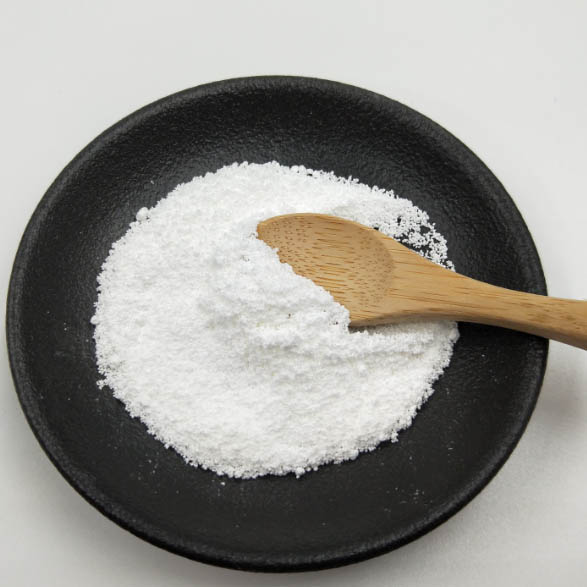
Nicotinamide Mononucleotide NMN
Nicotinamide Mononucleotide play an important role in the production of human cell energy, which is involved in the synthesis of intracellular NAD (nicotinamide adenine dinucleotide, an important coenzyme for cell energy conversion).

Phytosterol
Phytosterol which encompass plant sterols and stanols, are phytosteroids, similar to cholesterol, which occur in plants and vary only in carbon side chains and/or presence or absence of a double bond. Stanols are saturated sterols, having no double bonds in the sterol ring structure.
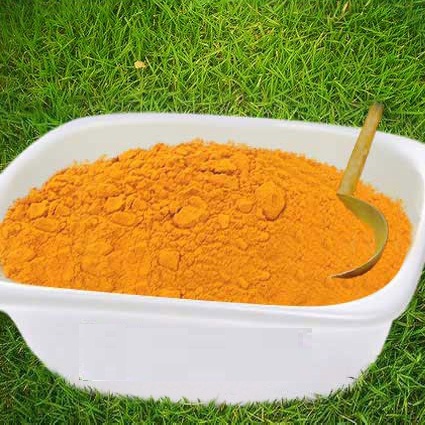

Vitamin B1
Vitamin B1, also known as thiamin or Thiamine, is a vitamin found in food, and manufactured as a dietary supplement and medication. Food sources of thiamine include whole grains, legumes, and some meats and fish.

Vitamin B12
Vitamin B12 also known as cobalamin, the main physiological function is involved in the manufacture of bone marrow red blood cells, to prevent pernicious anemia; to prevent brain damage.
Vitamin B2
Vitamin B2 also known as riboflavin. Vitamin B2 an essential one of the 13 kinds of vitamins, as a member of the vitamin B group, slightly soluble in water, soluble in sodium chloride solution, soluble in dilute sodium hydroxide solution. Vitamin B2 as a food additive, E101 is an essential food ingredients.
Vitamin B3
Vitamin B3 also known as Niacin, Niacinamide, vitamin PP.Vitamin B3 is a water-soluble vitamin, an important part of coenzyme I and coenzyme II in humans and animals , mainly used in medicine, food and feed additives.
Vitamin B5
Vitamin B5 Pantothenic acid, also called vitamin B5, is a water-soluble vitamin. Pantothenic acid is an essential nutrient. Animals require pantothenic acid in order to synthesize coenzyme-A, as well as to synthesize and metabolize proteins, carbohydrates, and fats. The anion is called pantothenate.

Vitamin B6
Vitamin B6 also known as pyridoxine factors. Is a water-soluble vitamins and vitamin B complex part of the group. Easily damaged when exposed to light or alkali, not high temperature, soluble in water and ethanol, acid stable, easy to damage in the alkaline solution. Vitamin B6 in yeast, liver, grains, meat, fish, eggs, beans and peanuts, more content. Enhance immunity and have anti-cancer effect.

Vitamin D3
Vitamin D3 is a group of fat-soluble secosteroids responsible for increasing intestinal absorption of calcium, magnesium, and phosphate, and multiple other biological effects. In humans, the most important compounds in this group are vitamin D3 and vitamin D2.
Vitamin E
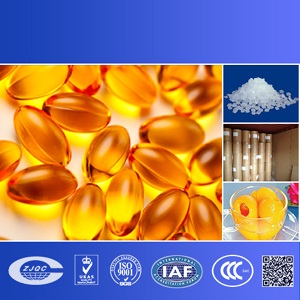
Vitamin E is a fat-soluble vitamin, also known as tocopherol, is the most important antioxidants. Soluble in fats and organic solvents such as ethanol, insoluble in water, heat, acid stable, alkali stable, oxygen-sensitive, not sensitive to heat. Vitamin E antiaging and anti-fatigue, beauty, gastric ulcer, the treatment of psoriasis, vitiligo, improve blood circulation, prevent the occurrence and development of myopia and so on. Promote human metabolism, increase body endurance and improve immunity.