

Your Current Position: PRODUCTS
Search
L-Asparagine
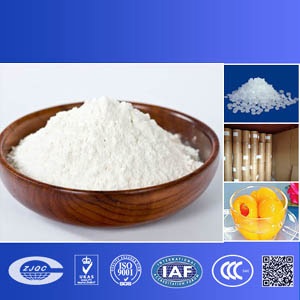
L-Asparagine, CAS# 70-47-3, is an α-amino acid that is used in the biosynthesis of proteins. It contains an α-amino group (which is in the protonated −NH+ 3 form under biological conditions), an α-carboxylic acid group (which is in the deprotonated −COO− form under biological conditions), and a side chain carboxamide, classifying it as a polar (at physiological pH), aliphatic amino acid. It is non-essential in humans, meaning the body can synthesize it. A reaction between asparagine and reducing sugars or other source of carbonyls produces acrylamide in food when heated to sufficient temperature. These products occur in baked goods such as French fries, potato chips, and toasted bread.
L-Aspartic acid
L-Aspartic acid, CAS# 56-84-8, is the main component of amino acid preparation is L - aspartate potassium, magnesium, calcium, lucid asparagus amido a variety of drug synthesis of raw materials, medicine, can be used for treatment of heart disease, antidote, liver function, promote and eliminate fatigue.
L-Carnitine
L-Citrulline, is a naturally occurring amino acid. It is found in some foods like watermelons and is also produced naturally by the body. L-citrulline is used for Alzheimer’s disease, dementia, fatigue, muscle weakness, sickle cell disease, erectile dysfunction, high blood pressure, and diabetes.
L-Carnitine hydrochloride
L-Carnitine hydrochloride with nourishing the heart, strengthen muscles, enhance immunity, accelerate protein synthesis and so on.
Fooding is a L-Carnitine hydrochloride Suppliers in China. You can inquiry L-Carnitine hydrochloride price by emai
Fooding is a L-Carnitine hydrochloride Suppliers in China. You can inquiry L-Carnitine hydrochloride price by emai
L-Carnitine Tartrate
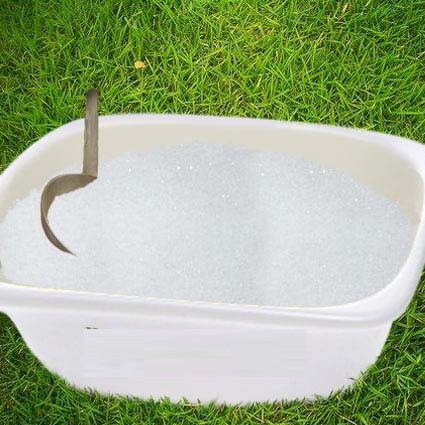
L-Carnitine Tartrate as a white crystalline powder with a pleasant acidic odor. Soluble in water, but easily soluble in organic solvents.
L-Carnosine
L-Carnosine(beta-alanyl-L-histidine) is a dipeptide of the amino acids beta-alanine and histidine. It is highly concentrated in muscle and brain tissues.
L-Citrulline
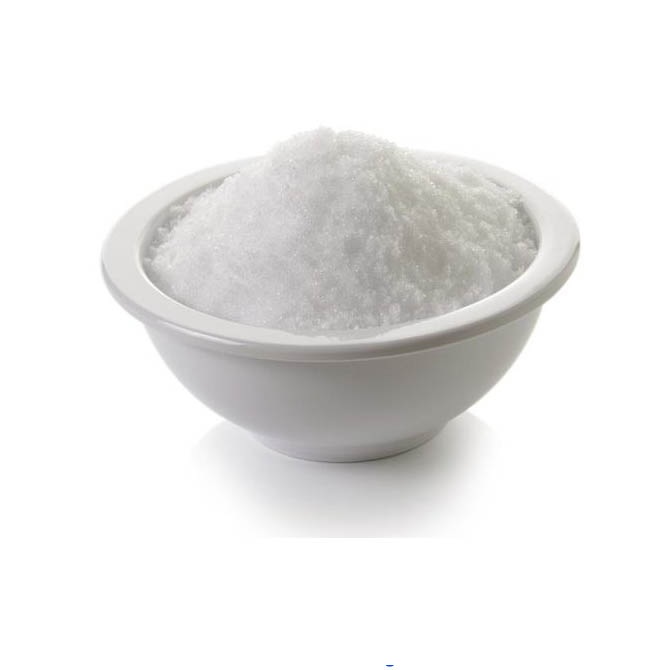
L-Citrulline, is a naturally occurring amino acid. It is found in some foods like watermelons and is also produced naturally by the body. L-citrulline is used for Alzheimer’s disease, dementia, fatigue, muscle weakness, sickle cell disease, erectile dysfunction, high blood pressure, and diabetes
L-Cysteine Hydrochloride Anhydrous
L-Cysteine Hydrochloride Anhydrous, CAS# 52-90-4, is an amino acid commonly sold in dietary supplement form. Also found naturally in the human body, L-cysteine is available in many foods as well. Use of L-cysteine supplements is said to offer a variety of health benefits.
L-Glutamic Acid
L-Glutamic Acid, CAS# 56-86-0, is one of many non-essential amino acids that are produced in the body. Downstream derivatives of L-glutamic acid include salts and carboxylate anions, also known as glutamates. Glutamates and other L-glutamic acid derivatives are used in foods, flavorings, nutritional supplements and pharmaceutical products.
L-Glutamine
L-Glutamine, CAS# 56-85-9, is the most abundant amino acid found in human muscle and plasma. Over 60% of the free-floating amino acid pool in skeletal muscle cells is made up of L glutamine. It is also a primary nitrogen donor, meaning that it moves the nitrogen around in the body to where it is needed. Maintaining a positive nitrogen balance is absolutely necessary for muscle building. Glutamine Powder was once considered a non-essential amino acid because the body can make its own from the amino acids glutamic acid, isoleucine and valine.

L-Glutathione Reduced
L-Glutathione Reduced is an antioxidant in plants, animals, fungi, and some bacteria and archaea.
L-Histidine
L-Histidine, is thought to be a human essential amino acid, mainly children. After years of development, humans begin to synthesize it, and at this time become a non-essential amino acid. L-histidine is a semi-essential amino acid that is particularly important for infants and animals.